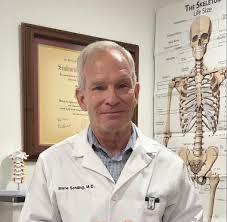
Resident Medical Reviewer · Family Medicine Physician and Integrative Wellness Specialist
Dr. Blane Schilling, MD is a family medicine physician and integrative wellness specialist with 30 years of clinical experience. He reviews medically sensitive articles for medical accuracy, safety context, contraindications, evidence quality, and practical reader risk across supplements, procedures, treatments, and wellness topics.
Last Updated: February 2026
View full credentials →Classification Guide
The Norwood-Hamilton Scale is the standard classification system for male pattern baldness (androgenetic alopecia). It ranges from Norwood 1 (no hair loss) to Norwood 7 (extensive hair loss). The scale was developed by Dr. O'Tar Norwood in 1975 and has become the gold standard for assessing male hair loss severity.
The Norwood scale is the standard system doctors use to classify male pattern baldness, running from stage 1 (no visible loss) to stage 7 (advanced loss). Your stage drives every decision that follows: how many grafts you'll need, which treatment or technique fits, and what the procedure typically costs. This guide walks through every stage — with graft counts and real cost ranges — so you can find yours and weigh your options.
1
Take two photos in bright, even light: one straight-on at eye level and one from above looking down at your crown. Dry hair, pulled back off the forehead, shows the true hairline.
2
Compare your photos against the stage patterns above. Focus on two things: how far your temples have receded and whether your crown is thinning — the combination determines your stage.
3
If you fall between two stages or your loss is changing quickly, get a scalp assessment from a hair restoration surgeon or dermatologist. Many clinics offer free photo consultations and can confirm your stage and graft estimate.
No hair loss; full density across entire scalp
No hair loss; normal male pattern hairline. Hairline is straight across the forehead with no recession. This is the baseline for comparison with other stages.
Typical Grafts
N/A
Cost Range
N/A
Best Technique
N/A
Surgical
Not recommended; no hair loss present
Non-Surgical
With Treatment
Maintain current hair density indefinitely with preventive medications
Without Treatment
Potential progression to higher Norwood stages over time (depends on genetics)
Slight recession at temples; hairline still relatively full
Minimal hair loss; slight recession at the temples. The hairline recedes slightly at the corners (temples) but remains relatively full. This is considered normal aging in many men.
Typical Grafts
500-1,500 grafts for hairline refinement
Cost Range
$2,500-$8,000 in USA; $1,000-$2,500 in Turkey
Best Technique
DHI or Sapphire FUE for hairline refinement
Surgical
Non-Surgical
With Treatment
Can maintain current density and slow progression with medications
Without Treatment
Likely progression to Norwood 3-4 within 5-10 years
Slight temple recession only; minimal crown involvement
Minimal hair loss variant; slight temple recession similar to Norwood 2 but with less overall hair loss. Some classification systems distinguish this as a separate stage.
Typical Grafts
300-1,000 grafts
Cost Range
$1,500-$5,000 in USA
Best Technique
DHI for hairline work
Surgical
Non-Surgical
With Treatment
Can maintain with medications
Without Treatment
Likely progression to Norwood 3-4
M-shaped hairline with temple recession; possible early crown thinning
Moderate hair loss; noticeable recession at both temples creating an M-shaped hairline. The crown may show early signs of thinning. This is considered the point where hair loss becomes cosmetically significant.
Typical Grafts
1,500-2,500 grafts
Cost Range
$6,000-$15,000 in USA; $1,500-$3,500 in Turkey
Best Technique
FUE or DHI for natural hairline; Sapphire FUE for density
Surgical
Non-Surgical
With Treatment
Can restore hairline and slow progression with combined surgical and medical treatment
Without Treatment
Likely progression to Norwood 5-6 within 10-15 years
M-shaped hairline; minimal crown involvement
Moderate hair loss variant; M-shaped hairline recession similar to Norwood 3 but with less overall hair loss. Crown involvement is minimal.
Typical Grafts
1,000-2,000 grafts
Cost Range
$5,000-$12,000 in USA
Best Technique
FUE or DHI
Surgical
Non-Surgical
With Treatment
Can restore hairline with combined treatment
Without Treatment
Likely progression to Norwood 4-5
M-shaped hairline with significant crown thinning
Moderate hair loss variant with vertex (crown) involvement. The hairline shows M-shaped recession similar to Norwood 3, but the crown shows more significant thinning. The 'V' indicates vertex involvement.
Typical Grafts
2,000-3,500 grafts
Cost Range
$8,000-$18,000 in USA; $2,000-$4,000 in Turkey
Best Technique
FUE or Sapphire FUE for combined hairline and crown work
Surgical
Non-Surgical
With Treatment
Can restore hairline and add crown density
Without Treatment
Likely progression to Norwood 5-6
Deep temple recession and significant crown thinning with a band of hair between
Advanced hair loss; significant recession at temples and crown. The hairline is deeply recessed and the crown shows considerable thinning. A band of hair remains between the receding hairline and thinning crown.
Typical Grafts
2,500-4,000 grafts per session
Cost Range
$10,000-$25,000 in USA; $2,500-$5,000 in Turkey
Best Technique
FUE or Sapphire FUE; mega-sessions for maximum coverage
Surgical
Non-Surgical
With Treatment
Can restore hairline and add significant crown density with one or two sessions
Without Treatment
Likely progression to Norwood 6-7 within 10 years
Deep temple recession; moderate crown thinning
Advanced hair loss variant; temple recession similar to Norwood 4 but with less crown involvement. The crown shows thinning but not as severe as Norwood 4.
Typical Grafts
2,000-3,500 grafts
Cost Range
$8,000-$18,000 in USA
Best Technique
FUE or Sapphire FUE
Surgical
Non-Surgical
With Treatment
Can restore hairline and crown with one or two sessions
Without Treatment
Likely progression to Norwood 5-6
Extensive temple and crown hair loss with narrow band of hair between
Severe hair loss; extensive recession at temples and crown with only a narrow band of hair remaining between them. The hairline is very far back and the crown is significantly bald.
Typical Grafts
3,500-5,000+ grafts per session
Cost Range
$15,000-$35,000+ in USA; $3,500-$7,000 in Turkey
Best Technique
FUE or mega-session FUE; may require body hair transplant (BHT) for maximum coverage
Surgical
Non-Surgical
With Treatment
Can achieve significant improvement with multiple sessions; may not achieve full density
Without Treatment
Continued progression to Norwood 6-7
Extensive loss with slightly wider band of hair between temple and crown
Severe hair loss variant; extensive temple and crown loss similar to Norwood 5 but with slightly more hair remaining in the band between them.
Typical Grafts
3,000-4,500 grafts
Cost Range
$12,000-$25,000 in USA
Best Technique
FUE or mega-session FUE
Surgical
Non-Surgical
With Treatment
Can achieve significant improvement
Without Treatment
Continued progression
Extensive temple and crown loss with very narrow band between
Severe hair loss variant with vertex involvement. Extensive temple and crown loss with the band of hair between them being very narrow. The 'V' indicates significant vertex involvement.
Typical Grafts
4,000-6,000 grafts
Cost Range
$16,000-$30,000 in USA
Best Technique
Mega-session FUE; may require BHT
Surgical
Non-Surgical
With Treatment
Can achieve significant improvement with multiple sessions
Without Treatment
Continued progression to Norwood 6-7
Complete loss of band between hairline and crown; only side and back hair remains
Very severe hair loss; the band of hair between the receding hairline and thinning crown has disappeared. The entire top of the scalp is bald, with hair only remaining on the sides and back.
Typical Grafts
5,000-7,000+ grafts per session
Cost Range
$20,000-$40,000+ in USA; $5,000-$10,000 in Turkey
Best Technique
Mega-session FUE combined with body hair transplant (BHT)
Surgical
Non-Surgical
With Treatment
Can achieve significant improvement but may not achieve full density; multiple sessions needed
Without Treatment
Acceptance of advanced hair loss; hair systems as alternative
Extreme hair loss; only thin band of side and back hair remains
Extreme hair loss; the most severe stage of male pattern baldness. Only a thin band of hair remains on the sides and back of the scalp. The entire top and front of the scalp are completely bald.
Typical Grafts
6,000-10,000+ grafts per session
Cost Range
$30,000-$60,000+ in USA; $8,000-$15,000 in Turkey
Best Technique
Mega-session FUE combined with extensive body hair transplant (BHT)
Surgical
Non-Surgical
With Treatment
Can achieve modest improvement but cannot restore full density; hair systems often more practical
Without Treatment
Acceptance of advanced hair loss; hair systems as primary solution
Typical graft counts and price ranges for each stage. Your exact number depends on hair caliber, density goals, and donor supply — a clinic assessment confirms it.
| Stage | Pattern | Typical Grafts | Expected Cost | Best Technique |
|---|---|---|---|---|
| Norwood 1 | No hair loss; full density across entire scalp | N/A | N/A | N/A |
| Norwood 2 | Slight recession at temples; hairline still relatively full | 500-1,500 grafts for hairline refinement | $2,500-$8,000 in USA; $1,000-$2,500 in Turkey | DHI or Sapphire FUE for hairline refinement |
| Norwood 2A | Slight temple recession only; minimal crown involvement | 300-1,000 grafts | $1,500-$5,000 in USA | DHI for hairline work |
| Norwood 3 | M-shaped hairline with temple recession; possible early crown thinning | 1,500-2,500 grafts | $6,000-$15,000 in USA; $1,500-$3,500 in Turkey | FUE or DHI for natural hairline; Sapphire FUE for density |
| Norwood 3A | M-shaped hairline; minimal crown involvement | 1,000-2,000 grafts | $5,000-$12,000 in USA | FUE or DHI |
| Norwood 3V | M-shaped hairline with significant crown thinning | 2,000-3,500 grafts | $8,000-$18,000 in USA; $2,000-$4,000 in Turkey | FUE or Sapphire FUE for combined hairline and crown work |
| Norwood 4 | Deep temple recession and significant crown thinning with a band of hair between | 2,500-4,000 grafts per session | $10,000-$25,000 in USA; $2,500-$5,000 in Turkey | FUE or Sapphire FUE; mega-sessions for maximum coverage |
| Norwood 4A | Deep temple recession; moderate crown thinning | 2,000-3,500 grafts | $8,000-$18,000 in USA | FUE or Sapphire FUE |
| Norwood 5 | Extensive temple and crown hair loss with narrow band of hair between | 3,500-5,000+ grafts per session | $15,000-$35,000+ in USA; $3,500-$7,000 in Turkey | FUE or mega-session FUE; may require body hair transplant (BHT) for maximum coverage |
| Norwood 5A | Extensive loss with slightly wider band of hair between temple and crown | 3,000-4,500 grafts | $12,000-$25,000 in USA | FUE or mega-session FUE |
| Norwood 5V | Extensive temple and crown loss with very narrow band between | 4,000-6,000 grafts | $16,000-$30,000 in USA | Mega-session FUE; may require BHT |
| Norwood 6 | Complete loss of band between hairline and crown; only side and back hair remains | 5,000-7,000+ grafts per session | $20,000-$40,000+ in USA; $5,000-$10,000 in Turkey | Mega-session FUE combined with body hair transplant (BHT) |
| Norwood 7 | Extreme hair loss; only thin band of side and back hair remains | 6,000-10,000+ grafts per session | $30,000-$60,000+ in USA; $8,000-$15,000 in Turkey | Mega-session FUE combined with extensive body hair transplant (BHT) |
See the full hair transplant cost guide for per-graft pricing by city and technique, or compare clinics that treat your stage — or browse documented before-and-after results at your graft count.
Female Pattern Hair Loss
The Ludwig Scale is the standard classification system for female pattern hair loss (FPHL), also called androgenetic alopecia in women. Unlike the Norwood scale which measures hairline recession, the Ludwig scale measures diffuse thinning across the crown and top of the scalp. It ranges from Ludwig I (minimal thinning) to Ludwig III (extensive thinning).
Mild diffuse thinning over the crown and top of the scalp. Hair density is slightly reduced but the scalp is not visible. The hairline remains intact. This is the earliest stage of female pattern hair loss.
Moderate diffuse thinning over the crown and top of the scalp. Hair density is noticeably reduced and the scalp may be visible in certain lighting. The hairline remains intact but the part line may be wider.
Severe diffuse thinning over the crown and top of the scalp. Hair density is significantly reduced and the scalp is clearly visible. The hairline may also show some recession. This is the most severe stage of female pattern hair loss.
Norwood 3 is typically the first stage where a hair transplant clearly makes sense — most surgeons consider it the point of cosmetically significant hair loss. Stages 3 through 5 are the strongest candidates. Norwood 2 is optional, since recession is still slight, while Norwood 6 and 7 are possible but require far more grafts and careful donor planning.
Norwood 2 is usually a mature hairline, not balding. Most adult men develop slight temple recession, and for many it never progresses further. It only signals male pattern baldness if recession keeps advancing over time. Treatment is optional at this stage — hairline refinement typically takes 500-1,500 grafts — and many men simply monitor with yearly photos instead.
You can often stop Norwood 2 or 3 from progressing, and sometimes partially regrow recent loss. Finasteride and minoxidil are FDA-approved for androgenetic alopecia and work best at these early stages. Full reversal is unlikely — hair that has been gone for years typically doesn't return with medication alone, which is why many men pair medication with a transplant later.
Graft counts rise with each stage. Norwood 2 typically needs 500-1,500 grafts, Norwood 3 needs 1,500-2,500, Norwood 4 needs 2,500-4,000, and Norwood 5 needs 3,500-5,000+. Norwood 6 requires 5,000-7,000+ and Norwood 7 can take 6,000-10,000+ grafts, often combining scalp and body hair (BHT). Your exact count depends on hair caliber, density goals, and donor supply.
Cost tracks graft count. In the US, expect $2,500-$8,000 for Norwood 2, $6,000-$15,000 for Norwood 3, $10,000-$25,000 for Norwood 4, and $15,000-$35,000+ for Norwood 5. Advanced cases run $20,000-$40,000+ at Norwood 6 and $30,000-$60,000+ at Norwood 7. Turkey clinics typically charge $1,000-$15,000 across the same stages; the median US procedure is $12,450.
Technique follows stage. Early stages (Norwood 2-3) suit DHI or Sapphire FUE, which excel at precise hairline work. Mid stages (Norwood 4-5) typically use FUE or Sapphire FUE, sometimes as mega-sessions for maximum coverage. Advanced stages (Norwood 6-7) usually require mega-session FUE combined with body hair transplant (BHT) to stretch a limited donor supply.
Progression speed varies widely and has no fixed timeline. Some men advance a stage within a few years; others stay stable for decades. Hair loss that starts earlier — in the late teens or early 20s — typically progresses faster and further. Yearly photos are the most reliable way to track your own pace, and medication may slow or stop it.
No. The Norwood scale describes male pattern baldness, which starts at the temples and crown. Women typically thin diffusely across the top of the scalp while keeping their hairline, so clinicians grade female hair loss on the Ludwig scale instead. We cover the Ludwig scale and its three stages further down this page.
No stage is automatically too late, but Norwood 7 pushes the limit of what donor hair can cover. With only a thin band of side and back hair remaining, many patients can't supply the 6,000-10,000+ grafts full coverage would take. Realistic options include partial coverage that prioritizes the front, body hair transplant (BHT), or scalp micropigmentation.
Get a free assessment from verified hair restoration clinics.
GET FREE ASSESSMENTEverything You Need to Know
Famous hair restoration transformations revealed.
FUE, DHI, PRP, stem cell & more compared.
Answers to your top hair restoration questions.
Classify your hair loss stage accurately.
Board-certified specialists ranked by outcomes.
Planning your trip for affordable treatment abroad.
Payment plans, loans & insurance coverage.
Industry data, success rates & market trends.
Post-op timelines, tips & what to expect.
Country-by-country legal frameworks & standards.
Side-by-side technique & clinic comparisons.
Complete library of hair restoration guides.

Resident Medical Reviewer · Family Medicine Physician and Integrative Wellness Specialist
Dr. Blane Schilling, MD is a family medicine physician and integrative wellness specialist with 30 years of clinical experience. He reviews medically sensitive articles for medical accuracy, safety context, contraindications, evidence quality, and practical reader risk across supplements, procedures, treatments, and wellness topics.
Last Updated: February 2026
View full credentials →