Find your perfect clinic — Search by procedure, location, or budget
Medical Tourism / Turkey
🇹🇷

Hair Transplant in Turkey

Complete medical tourism guide

🛂 Visa Requirements

Most nationalities can obtain an e-Visa online at evisa.gov.tr for approximately $50 USD, valid for stays up to 90 days within a 180-day period. The process takes just a few minutes. US, UK, Canadian, and most EU citizens are eligible for the e-Visa. Some nationalities (e.g., Germany, Japan) can enter visa-free for up to 90 days. Always check the latest requirements on the Turkish Ministry of Foreign Affairs website before traveling.

✈️ Airports & Airlines

Istanbul:

  • Istanbul Airport (IST): The main international hub — one of the world's largest airports, opened in 2018. Located on the European side, about 35 km from central Istanbul.
  • Sabiha Gökçen International Airport (SAW): Located on the Asian side. Often has cheaper flights, especially from European budget carriers.
  • Best Airlines: Turkish Airlines (flag carrier, excellent service), Pegasus Airlines (budget), Lufthansa, British Airways, Emirates, Qatar Airways
  • Direct Flights: Available from virtually all major cities worldwide. Istanbul is a global hub with connections from NYC, LA, London, Dubai, and hundreds more.

Flight Costs from Major Cities to Istanbul (Round-trip)

From To Economy Class Business Class
NYC Istanbul (IST) $500 - $900 $2,000 - $4,500
London Istanbul (IST) $150 - $400 $800 - $2,000
LA Istanbul (IST) $600 - $1,100 $2,500 - $5,000
Dubai Istanbul (IST) $250 - $500 $1,000 - $2,500
Berlin Istanbul (IST/SAW) $100 - $300 $600 - $1,500

🏨 Where to Stay

Şişli: The heart of Istanbul's medical tourism district. Home to dozens of hair transplant clinics, modern hospitals, and excellent hotels. Well-connected by metro.

Nişantaşı: An upscale, trendy neighborhood adjacent to Şişli. High-end boutiques, cafes, and restaurants. Perfect for a comfortable recovery with easy access to clinics.

Maslak: A modern business district in northern Istanbul with many premium clinics and 5-star hotels. Less tourist-crowded, ideal for privacy during recovery.

Sultanahmet / Fatih: The historic old city — ideal if you want to combine your trip with sightseeing (Hagia Sophia, Blue Mosque, Grand Bazaar). Slightly farther from most clinics but rich in culture.

Taksim / Beyoğlu: Central and vibrant, with great nightlife, restaurants, and hotels. Walking distance to many Şişli clinics.

Many clinics include 5-star hotel stays in their packages, which is a major advantage of choosing Turkey. Common partner hotels include:

  • Radisson Blu Hotel Istanbul Şişli: Approximate Price: $100-$180/night. Directly in the clinic district, modern and comfortable.
  • Hilton Istanbul Maslak: Approximate Price: $120-$200/night. Premium location in the Maslak medical corridor.
  • Holiday Inn Istanbul - Şişli: Approximate Price: $80-$140/night. Excellent value, walking distance to major clinics.
  • The Ritz-Carlton Istanbul: Approximate Price: $300-$500/night. Ultra-luxury option near Nişantaşı.
  • CVK Park Bosphorus Hotel Istanbul: Approximate Price: $150-$250/night. Near Taksim with Bosphorus views.

Tip: Ask your clinic about hotel packages — most all-inclusive deals include airport pickup, hotel, and aftercare.

🚗 Local Transportation

Airport Transfers: Almost all hair transplant clinics in Istanbul provide complimentary airport pickup and drop-off as part of their packages.

Metro: Istanbul has an extensive and modern metro system. The M7 line serves the Şişli clinic district. IST Airport is connected via the M11 line.

Taxis: Taxis are affordable compared to Western cities. A ride from IST Airport to Şişli costs approximately $20-$30 USD. Always use the meter or agree on a price beforehand.

Uber/BiTaksi: Uber operates in Istanbul but can be unreliable. The local app BiTaksi is widely used and reliable for hailing cabs.

Tram & Ferry: The T1 tram connects major tourist areas. Ferries across the Bosphorus are scenic and cheap (~$0.50).

Istanbulkart: A rechargeable transit card that works on all public transport — metro, bus, tram, ferry. Available at stations for ~$3.

💱 Currency & Tipping

Local Currency: Turkish Lira (TRY/₺)

Exchange Rate: Approximately 1 USD = 36-38 TRY (as of early 2026). The lira has depreciated significantly, making Turkey extremely affordable for visitors with USD, EUR, or GBP.

Exchanging Money: Exchange offices (döviz bürosu) are found everywhere in Istanbul and offer competitive rates. Avoid exchanging at the airport — rates are worse. ATMs from major banks (Garanti BBVA, İş Bankası, Yapı Kredi) are widespread.

Credit Card Acceptance: Visa and Mastercard are widely accepted. Many clinics also accept bank transfers and can invoice in USD or EUR.

Tip: Most hair transplant clinics quote their prices in EUR or USD to avoid exchange rate fluctuations.

Restaurants: 5-10% is customary. Some upscale restaurants add a service charge.

Hotel Staff:

  • Bellhops: 20-50 TRY ($0.50-$1.50)
  • Housekeeping: 20-50 TRY per day

Taxis: Rounding up the fare is appreciated but not expected.

Clinic Staff: Tipping clinic staff is not expected but appreciated for exceptional care. $20-$50 for nursing staff is a kind gesture.

Turkish Tea/Coffee: Often offered for free by shopkeepers and clinics — it's a cultural hospitality tradition, not a sales tactic.

🗣️ Language

English Proficiency: English is widely spoken in Istanbul's medical tourism sector. Virtually all hair transplant clinics have English-speaking doctors, coordinators, and translators on staff. In tourist areas, English is common. Outside tourist zones, proficiency drops.

Clinic Communication: Most clinics assign a dedicated English-speaking patient coordinator who communicates via WhatsApp before, during, and after your visit.

Useful Phrases:

  • Hello: Merhaba
  • Thank you: Teşekkür ederim (or Teşekkürler)
  • Please: Lütfen
  • Yes/No: Evet/Hayır
  • How much?: Ne kadar?
  • Do you speak English?: İngilizce biliyor musunuz?

🍽️ Food & Dietary

Post-Transplant Diet: Turkish cuisine is naturally rich in proteins, fresh vegetables, and healthy fats — ideal for recovery. Grilled meats (kebabs), fresh salads, yogurt, nuts, and fish from the Bosphorus provide excellent nutrition.

Foods to Avoid: Avoid alcohol for at least 7 days post-procedure. Limit spicy foods and excessive salt in the first week.

Must-Try Foods: Turkish breakfast (kahvaltı) is legendary — a spread of cheeses, olives, tomatoes, eggs, honey, and fresh bread. Lahmacun, pide, and İskender kebab are local favorites.

Dietary Restrictions: Halal food is the default in Turkey. Vegetarian options are widely available. Vegan options are growing, especially in Nişantaşı and Beyoğlu. Gluten-free options are less common but available at international restaurants.

Food Safety: Turkey has high food safety standards. Tap water in Istanbul is safe but most locals drink bottled water by preference.

🛡️ Safety Tips

Istanbul is generally very safe for tourists, including medical tourists. Turkey welcomes millions of visitors annually and medical tourism is a key industry.

General Safety:

  • Stick to well-known neighborhoods (Şişli, Nişantaşı, Taksim, Sultanahmet).
  • Be aware of pickpockets in crowded tourist areas like the Grand Bazaar and Istiklal Street.
  • Use BiTaksi app or have your hotel call a taxi to avoid overcharging.

Medical Safety:

  • Turkey has over 700 licensed hair transplant clinics. Choose JCI-accredited or Turkish Ministry of Health-certified facilities.
  • Verify your surgeon's credentials and look for before/after galleries.
  • Avoid extremely cheap offers (under $1,000) — they may use unlicensed technicians.
  • Check reviews on Trustpilot, Google, and medical tourism forums.

Emergency Numbers:

  • General Emergency: 112
  • Police: 155
  • Tourist Police: 153 (English-speaking)

🏥 Emergency Medical

Istanbul:

  • Acıbadem Hospitals: Turkey's largest private hospital chain with JCI accreditation. Multiple locations across Istanbul.
  • Memorial Hospital Şişli: A top-tier private hospital right in the clinic district, experienced with international patients.
  • American Hospital (Amerikan Hastanesi): Long-established private hospital in Nişantaşı with English-speaking staff.
  • Liv Hospital: Modern facility in the Maslak area.

Emergency Number: 112 (ambulance, fire, police — single European-style number)

Most private hospitals have English-speaking staff and international patient departments. Turkey has 46 JCI-accredited hospitals — more than any other country except the US.

📋 Travel Insurance

Recommended: Travel insurance with medical coverage is strongly recommended.

Coverage Should Include:

  • Complications from the hair transplant procedure
  • Emergency medical expenses
  • Medical evacuation
  • Trip cancellation or interruption
  • Lost or delayed baggage

Cost: Approximately $50-$150 USD depending on coverage level and trip duration.

Note: Many Turkish clinics offer their own complication guarantees and will cover revision procedures if needed. However, this does not replace comprehensive travel insurance.

Providers: Global Protective Solutions, World Nomads, Allianz Travel, SafetyWing

📅 Best Time to Visit

Spring (April-June): Ideal weather — warm but not hot, with blooming tulips across the city. Comfortable for outdoor recovery walks. This is peak medical tourism season.

Fall (September-November): Excellent weather, fewer tourists than summer. Great for combining your procedure with sightseeing.

Summer (July-August): Hot and humid (30-35°C / 86-95°F). Not ideal for recovery as you'll want to avoid sun exposure. However, clinics are less busy and may offer discounts.

Winter (December-March): Cool to cold with occasional rain or snow. Fewer tourists, potentially lower prices. Indoor recovery is comfortable. Istanbul's Mediterranean-influenced climate means winters are mild compared to Northern Europe.

🧳 Packing List

  • Button-down or zip-up shirts: Essential — avoid pulling anything over your head for at least 2 weeks.
  • Comfortable, loose-fitting pants and layers.
  • A wide-brimmed hat: For sun protection during recovery (your clinic will likely provide one).
  • Neck pillow: For comfortable sleeping in an elevated position.
  • Prescribed medications and a basic first-aid kit.
  • Sunscreen (SPF 50+): For your face and exposed skin.
  • Passport and e-Visa confirmation.
  • Power adapter: Turkey uses Type F plugs (European-style, 220V).
  • Comfortable walking shoes: Istanbul is hilly.
  • A small backpack or crossbody bag.
  • Portable charger/power bank.

📍 Sample Itinerary

Day 1: Arrival

  • Airport pickup by clinic driver (included in most packages).
  • Check into hotel (often included in package).
  • Blood tests and initial consultation with surgeon. Hairline design and graft count planning.

Day 2: Procedure Day

  • Hair transplant procedure (FUE typically takes 6-8 hours).
  • Return to hotel with aftercare kit and instructions.
  • Light dinner — many clinics provide room service or meal arrangements.

Day 3: First Wash & Recovery

  • Return to clinic for first hair wash demonstration and aftercare training.
  • PRP treatment (often included in Turkish packages).
  • Rest at hotel. Light sightseeing if you feel up to it.

Day 4: Recovery & Exploration

  • Follow-up check if needed.
  • Optional: Light sightseeing — Bosphorus cruise, Grand Bazaar, Hagia Sophia.
  • Many patients feel comfortable going out with a hat.

Day 5: Departure

  • Final check-up and aftercare instructions.
  • Clinic driver transfers you to the airport.
  • Continue aftercare routine at home with ongoing WhatsApp support from the clinic.

📱 Communication

SIM Cards: Prepaid SIM cards are available from Turkcell, Vodafone, and Türk Telekom at the airport and in shops. Cost: ~$10-$20 for a tourist SIM with data. eSIMs are also supported.

WiFi: Free WiFi is available in virtually all hotels, cafes, restaurants, and shopping centers. Quality is generally good.

WhatsApp: The primary communication app in Turkey. Your clinic will almost certainly communicate with you via WhatsApp before, during, and after your trip.

Recommended Apps:

  • BiTaksi: For reliable taxi hailing
  • Google Maps: Navigation (works well in Istanbul)
  • Google Translate: Turkish-English translation with camera mode for signs
  • WhatsApp: Essential for clinic communication
  • Istanbulkart app: For public transit top-ups
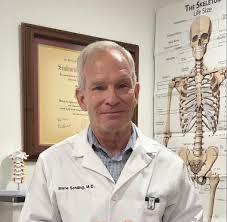
Dr. Blane Schilling, MD
Medically Reviewed

Dr. Blane Schilling, MD

Resident Medical Reviewer · Family Medicine Physician and Integrative Wellness Specialist

Dr. Blane Schilling, MD is a family medicine physician and integrative wellness specialist with 30 years of clinical experience. He reviews medically sensitive articles for medical accuracy, safety context, contraindications, evidence quality, and practical reader risk across supplements, procedures, treatments, and wellness topics.

Last Updated: February 2026

View full credentials →
✓ Medically Reviewed📊 Evidence-Based⚕ Family Medicine

US Procedures

International

Analysis

Corporate

Research & Resources

Everything You Need to Know

Celebrity Transplants

Famous hair restoration transformations revealed.

Treatment Options

FUE, DHI, PRP, stem cell & more compared.

FAQ

Answers to your top hair restoration questions.

Norwood Scale

Classify your hair loss stage accurately.

Top Surgeons

Board-certified specialists ranked by outcomes.

Medical Tourism

Planning your trip for affordable treatment abroad.

Financing Options

Payment plans, loans & insurance coverage.

Statistics

Industry data, success rates & market trends.

Recovery Guides

Post-op timelines, tips & what to expect.

Regulations

Country-by-country legal frameworks & standards.

Compare Procedures

Side-by-side technique & clinic comparisons.

All Guides

Complete library of hair restoration guides.

Dr. Blane Schilling, MD
Medically Reviewed

Dr. Blane Schilling, MD

Resident Medical Reviewer · Family Medicine Physician and Integrative Wellness Specialist

Dr. Blane Schilling, MD is a family medicine physician and integrative wellness specialist with 30 years of clinical experience. He reviews medically sensitive articles for medical accuracy, safety context, contraindications, evidence quality, and practical reader risk across supplements, procedures, treatments, and wellness topics.

Last Updated: February 2026

View full credentials →
✓ Medically Reviewed📊 Evidence-Based⚕ Family Medicine